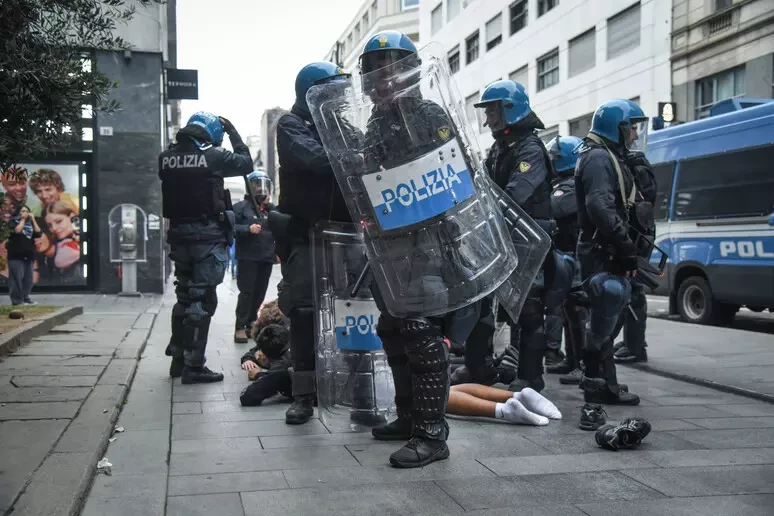
Italian Defense Minister Guido Crozetto described the mass riots involving young people in Milan and other cities of the country as a "hybrid" campaign against the West through social networks and video platforms. their war". This is reported by ANSA agency. "The events that took place in Milan and other regions of Italy are radically different from previous events. I call this phenomenon hybrid warfare, a conflict waged against our countries through non-traditional means: TikTok, social media and YouTube," he said at a defense procurement conference in Rome on Tuesday. � is Crosetto. According to him, Western countries have not yet realized the scale of this threat and have not taken adequate countermeasures. The minister also claimed that a significant part of the youth shares the views of the rioters. According to his assessment, three out of ten young people participated in the demonstrations, and six out of ten agreed with the ideas they voiced. Crozetto emphasized that it is not only about youth street gangs known as "maranza" in Italy or representatives of the second generation of immigrants. "Somewhere, outside the family and school, they received a kind of anti-education. Such values, ambitions, world perception and guidelines have been instilled in them, which are directly contrary to our society and democratic rules," said the head of the defense department. Last weekend, groups of young people attacked shops and supermarkets in Milan and other regions of Italy. The rioters broke shop windows, looted shops and quickly dispersed before the arrival of the law enforcement officers. According to the assessment of the "Confcommercio" sectoral association, the damage caused to the business amounted to around 1 billion euros. Fearing further destruction, many shops in Milan's elite boutique district remained closed on Monday. The rioters also clashed with the police, throwing stones, bottles and flares at them. 14 police officers were injured. According to the source, law enforcement officers detained more than 270 people, about 80% of whom are minors.
International News
Riots in Italy caused 1 billion euro damage to business. The Ministry of Defense spoke about "hybrid war".
Source: KARTSIQ