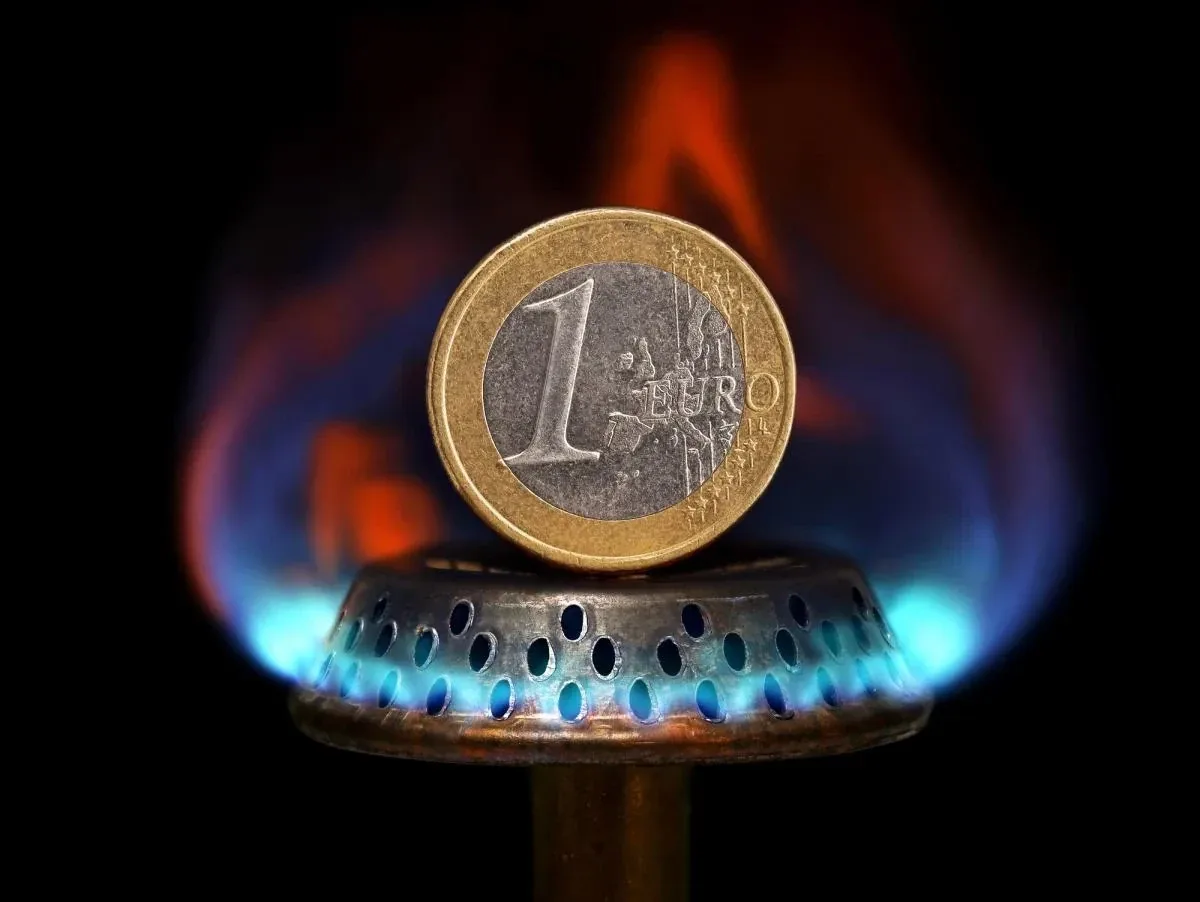
Natural gas prices in Europe have increased significantly. The German sectoral association Initiative Energien Speichern (Ines) has warned that a shortage of "blue fuel" may occur this winter. As Der Spiegel writes, the stocks in gas storages have recently reached a historical minimum. In particular, Germany's underground warehouses were only 61% full. In the event of an unusually cold winter, Germany may face gas supply disruptions. According to the association's new calculations, in January, February and March 2027, the shortage of natural gas may reach 6.6 terawatt-hours per month. This is approximately as much gas as Germany consumes in a day and a half in winter. At the same time, Germany's Federal Network Agency underestimates the probability of a gas supply crisis. The organization explains that thanks to additional import channels, the country is no longer directly dependent on bringing the warehouses to the planned level. In Ines, they also admit that the probability of such a harsh winter is small. There will be no gas supply problems under normal or mild weather conditions. However, on certain days of January, in case of severe cold, the gas shortage can reach even 1.7 terawatt-hours. This is about 40% of the average daily gas consumption in Germany in January 2026. For the calculations, the association took as a basis the scenario of an abnormally cold winter like 2010. In its calculations, Ines has already taken into account additional gas supplies from neighboring European countries, as well as the full use of the capacities of the liquefied natural gas (LNG) reception terminals. In the meantime, the price of gas in Europe is increasing even more, because the prospect of the end of the war with Iran remains uncertain, and the supplies of energy carriers from the Middle East are disrupted. As Bloomberg reports, the price of base gas futures in Europe exceeded 85 euros per megawatt-hour. In particular, the Dutch near-term futures, considered a benchmark for the European market, rose in price by 2.4%, reaching 86.78 euros per megawatt-hour. Europe's gas supply this winter will largely depend on how quickly gas transit through the Strait of Hormuz can be restored, especially from one of the world's largest exporters, Qatar. The war with Iran has effectively taken almost a fifth of global liquefied natural gas exports out of the market, forcing Europe to compete with Asia for limited supplies. Recently, gas prices in both regions reached their highest level since 2022, more than tripling since the beginning of the year. Although hopes for progress in peace talks have strengthened since the US midterm elections, and prices have eased slightly this month, they remain high due to a lack of supply in the market.
International News
Gas prices in Europe rose amid risks in the Strait of Hormuz
Source: KARTSIQ