On the first day of tripartite talks on the end of the war in Ukraine in Abu Dhabi, the Russian delegation demanded to apply a number of restrictions to NATO. Moscow's demands include the refusal of further expansion of the alliance, the reduction of military presence in countries that joined NATO after 1997, as well as military cooperation with Ukraine and other post-Soviet states. the restriction, reports "RBK-Ukraine", referring to the participants of the negotiations. The delegation led by Vladimir Medinsky, assistant to the Russian President, justified its demands with the need for "security guarantees" for Russia. According to Moscow, we are talking about the proposals regarding the European security architecture, which Russian President Vladimir Putin tried to advance in the winter of 2022 during the dialogue with the 46th President of the United States, Joe Biden. Even before the Abu Dhabi meeting, The Telegraph reported that Putin viewed the talks in the UAE as an opportunity to force NATO to abandon eastward expansion and return the alliance's core infrastructure to its 1997 slide. to them. Moscow presented similar conditions to the bloc in December 2021, before a full-scale invasion of Ukraine. Russian Deputy Foreign Minister Sergey Ryabkov at the time demanded that NATO "pack up and leave", accusing the alliance of trying to "push Russia back" and "put it in the role of a subordinate". The sources of The Telegraph emphasized that such conditions are unacceptable for the North Atlantic Alliance. A return to the "1997 borders" implies at least the withdrawal of NATO troops and weapons from 16 of the current 32 member states. Among them are the former members of the Warsaw Pact, the Baltic states, four of the six republics of the former Yugoslavia, as well as Albania, Finland and Sweden. Earlier in the Abu Dhabi negotiations, the Ukrainian delegation led by Rustem Umerov did not accept the US proposal on redrawing the borders of Donetsk and Luhansk regions. The delegation also requested funding from the Allies to maintain an 800,000-strong army for ten years after the end of the war. The representatives of the European Union expressed their readiness to discuss with Russia the return to the mechanisms of military conflict prevention used during the Cold War and the security mechanism of the continent together with the United States. Reviewing the The American delegation, in turn, offered Putin to agree to the provision of security guarantees to Ukraine after the end of military operations, based on the articles of the North Atlantic Treaty.
International News
In the Abu Dhabi negotiations, Russia demanded to return NATO to the 1997 borders
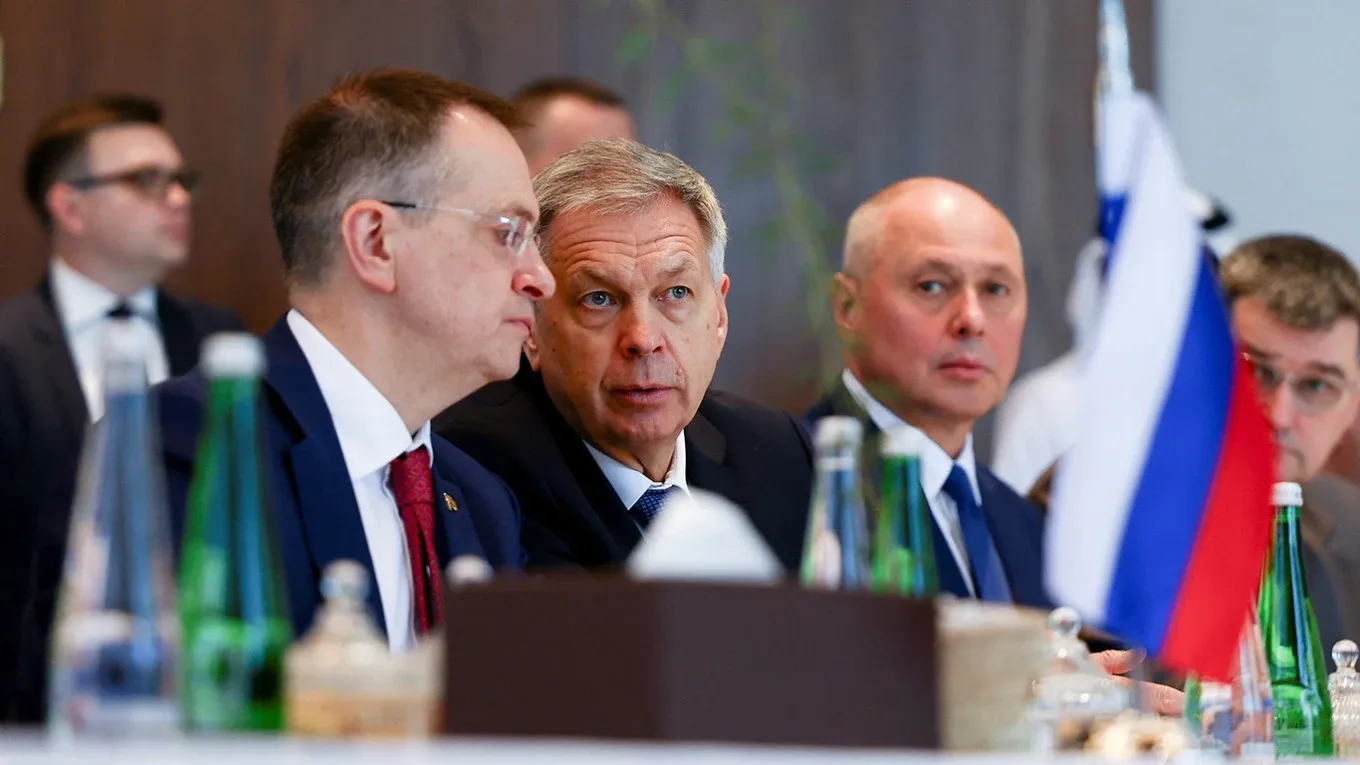
Source: KARTSIQ